Custom MIDI Synthesizer + Audio/Visual Controller
Synthesia
A custom-built Moog-inspired hardware interface combining Arduino / ESP32 prototyping, potentiometers, toggle switches, multiplexed inputs, LEDs, audio behavior, custom enclosure fabrication, and iterative troubleshooting.
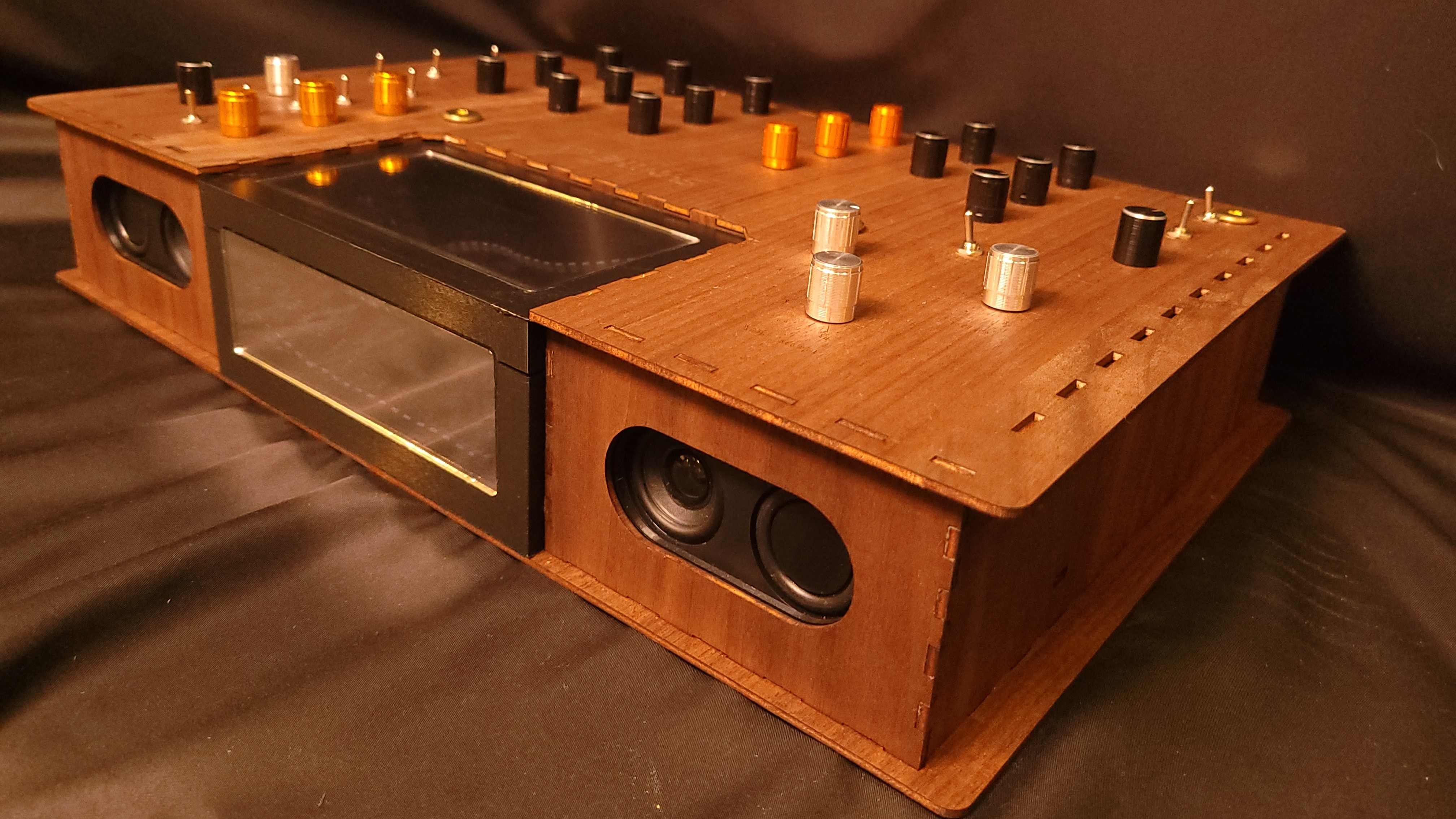
A Tactile Hardware Interface
Overview
I wanted to build a tactile, instrument-like interface inspired by classic analog synthesizers. Synthesia became a way to combine music, electronics, enclosure design, fabrication, and creative coding into one physical object.
The project demonstrates how I approach creative technology: designing both the physical object people touch and the technical system that makes it interactive. Instead of treating hardware, code, and enclosure design as separate tracks, I worked through them as one connected experience.
Challenge
The central challenge was to create an expressive hardware interface with many physical controls while working within the practical limits of a microcontroller, a custom enclosure, and a hand-wired prototype.
The controller needed to read numerous inputs reliably, translate those inputs into MIDI-style behavior, package the electronics cleanly, and feel intentional, playable, and visually responsive when used.
Process
Concept + Interaction Design
I started by defining the feel of the object: tactile, instrument-like, and legible at a glance. The goal was not only to make a controller, but to make an interface that invited experimentation.
Control Layout + Interface Planning
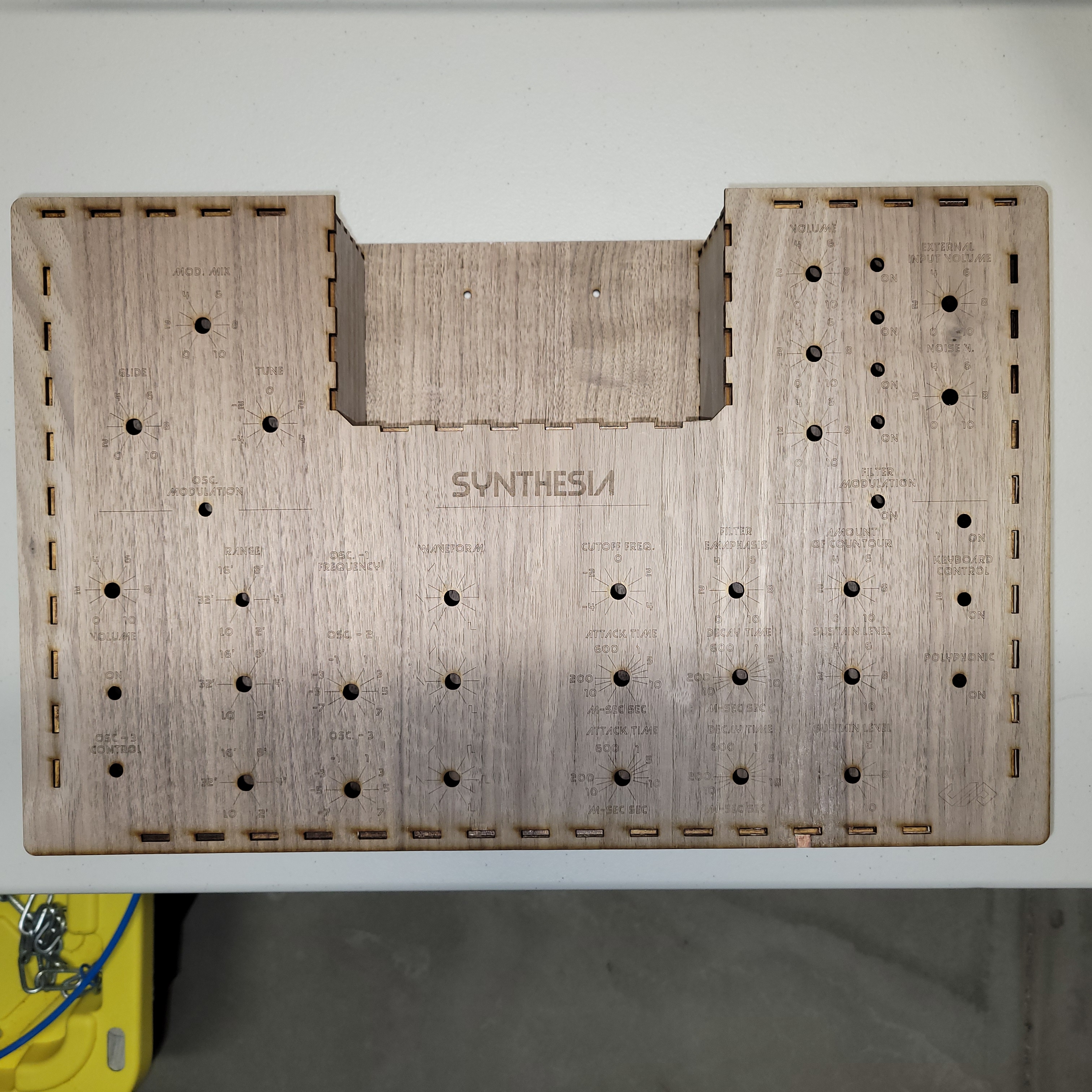
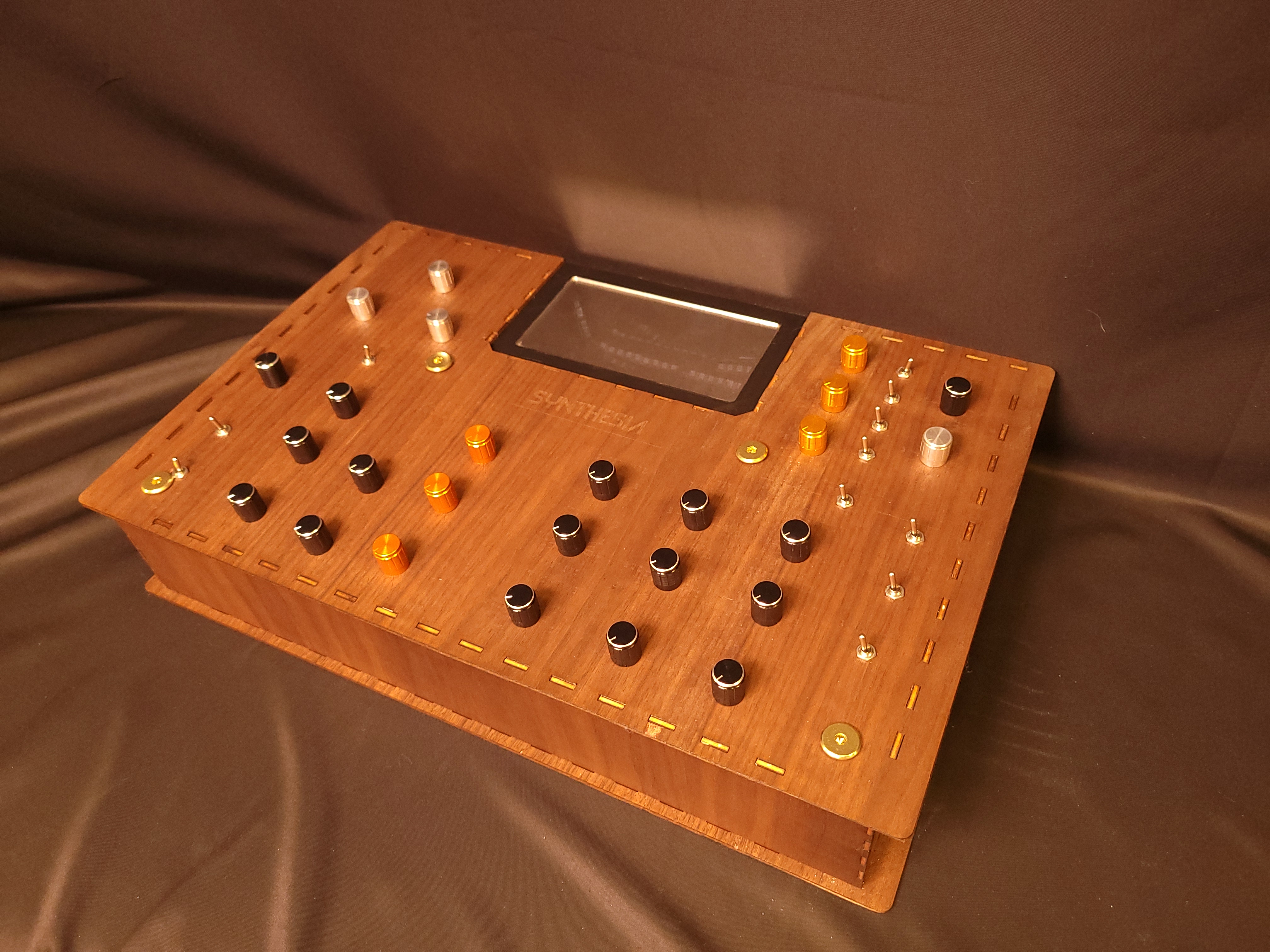
I mapped potentiometers, buttons, toggle switches, and rotary encoder input into a control surface that could support performance-style interaction while still fitting inside the enclosure.
Electronics + Microcontroller Integration
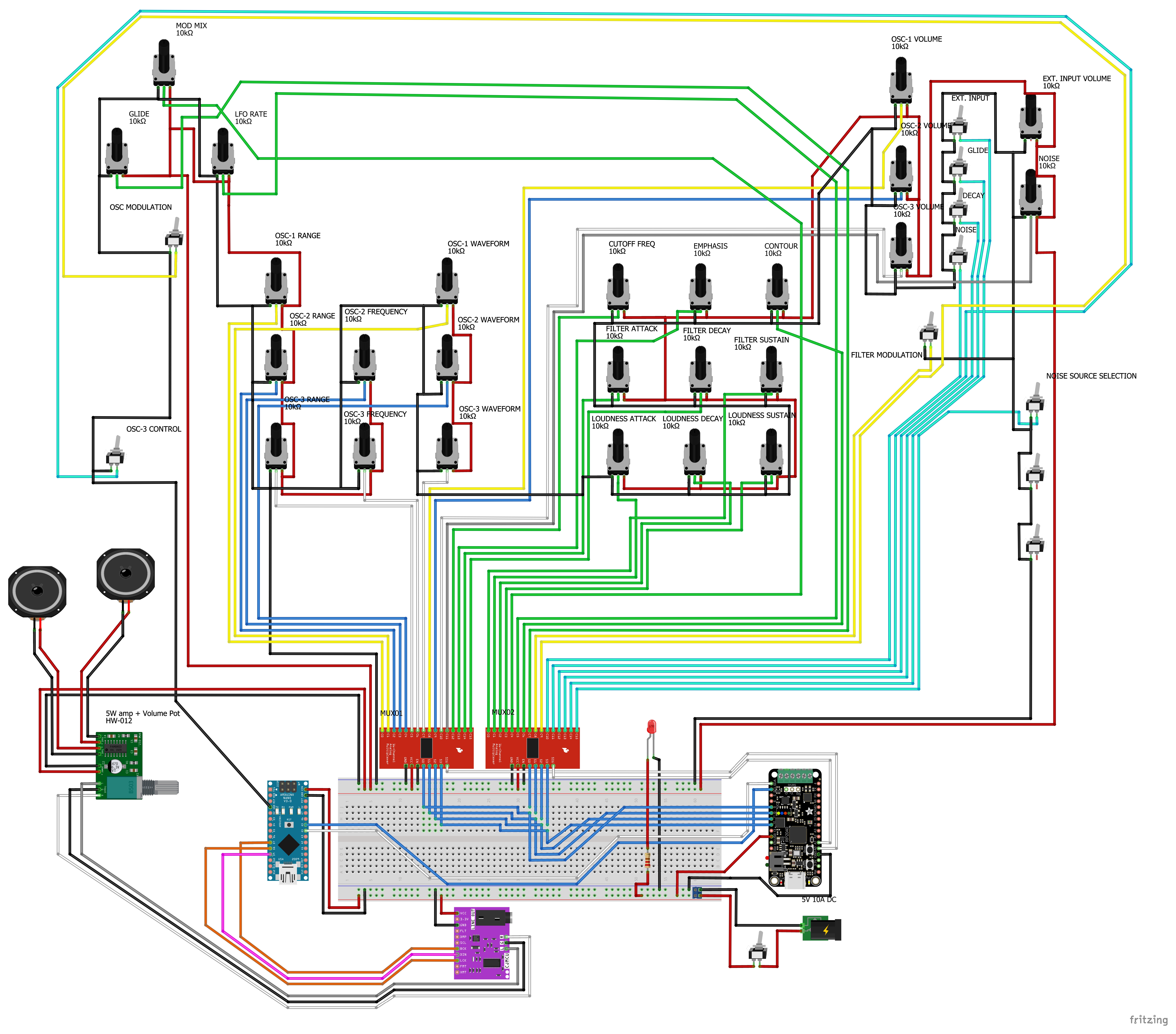
I integrated the control hardware with Arduino / ESP32-based logic and used multiplexing to expand the available input count beyond the microcontroller's direct pin capacity.
MIDI / Firmware Logic
The firmware translated physical input changes into MIDI-style commands and interaction states, requiring clear input mapping, debouncing, value handling, and repeatable testing.
Enclosure Design + Fabrication
I modeled and fabricated a custom synthesizer-style enclosure that supported the control layout, internal wiring, component access, and overall visual identity of the project.
Testing, Debugging + Iteration
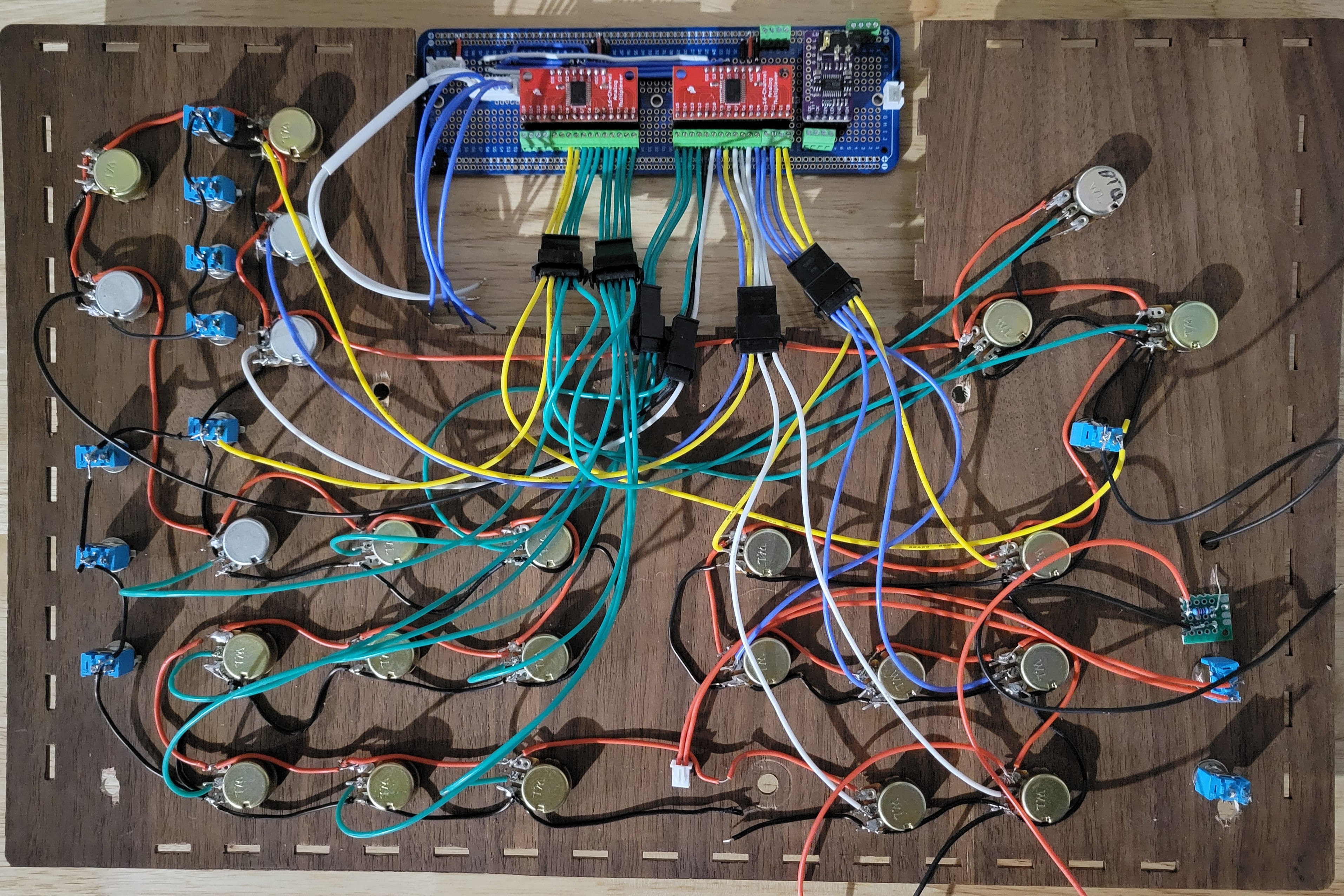
I worked through wiring, input mapping, firmware behavior, and physical fit constraints through modular testing and iterative troubleshooting.
Technical Highlights
- Designed a custom physical control surface using potentiometers, switches, buttons, and rotary encoder input.
- Used input multiplexing to expand the number of available hardware controls.
- Programmed microcontroller logic to translate physical input into MIDI-style commands and interactive behaviors.
- Integrated synchronized visual feedback so the system felt responsive and performance-oriented.
- Modeled and fabricated a custom enclosure to house the electronics and support the interaction design.
- Iterated through wiring, input mapping, firmware behavior, and physical layout constraints.
What I Learned
Hardware is a system
Interactive hardware requires equal attention to software logic, physical ergonomics, wiring, serviceability, and enclosure constraints.
Mapping matters
Physical computing projects benefit from disciplined documentation, modular testing, and clear signal/input mapping.
Complexity should feel simple
The most successful interactive objects feel direct and approachable even when the underlying system is technically complex.
Relevance to Creative + Exhibition Technology
Synthesia demonstrates the same type of interdisciplinary problem solving used in interactive exhibits: sensors and inputs, microcontrollers, audiovisual output, fabrication, troubleshooting, and user experience.
It shows my ability to move between design intent, technical implementation, physical fabrication, and iteration. That overlap is the core of exhibition technology work, where interactive systems must be understandable to users, buildable by teams, and reliable enough to support repeated engagement.
The project also complements my larger immersive installation work, RESI, by showing the same creative-technology mindset at a more compact, hands-on hardware scale.
Build Documentation
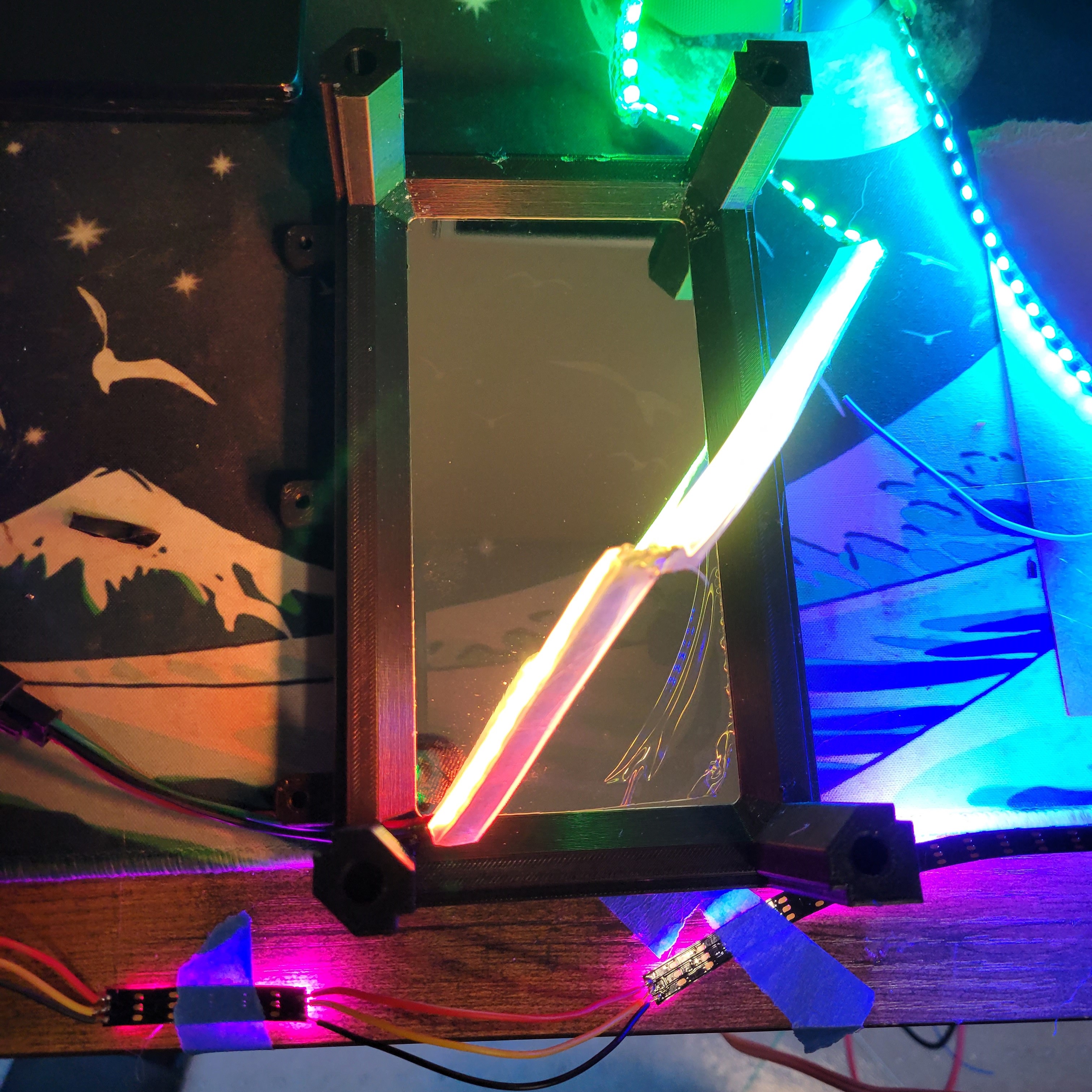
This gallery collects current project photos, control-layout views, enclosure documentation, wiring-process images, and a demo thumbnail. Additional process documentation is in progress, while the page remains stable if any local media file is replaced later.
Project Links
Related Creative Technology Work
RESI expands the same physical-computing and interaction-design interests into an immersive biosensor-driven installation.
View RESI Case Study